Protect What You Own. Recover What You Lose.
Before Disaster Strikes, Know What You Have
After a disaster strikes, prove what you lost.
Most homeowners try to rebuild their inventory from memory.
That’s when items get missed—and money gets left behind.
HomeGuard™ gives you a simple system to document your home before you need it.
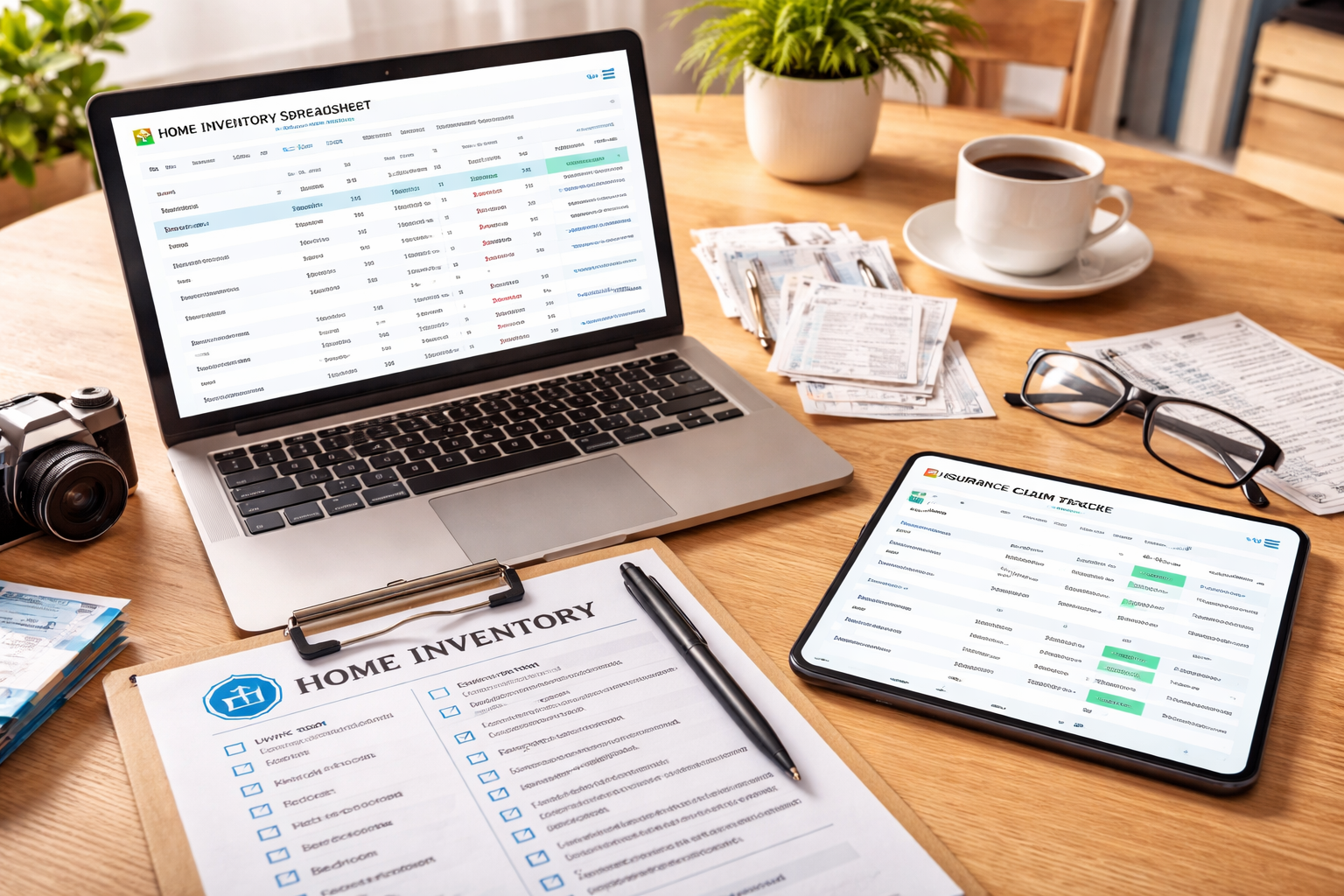
HomeGuard System™ helps you document your entire home in just one day — before disaster strikes.
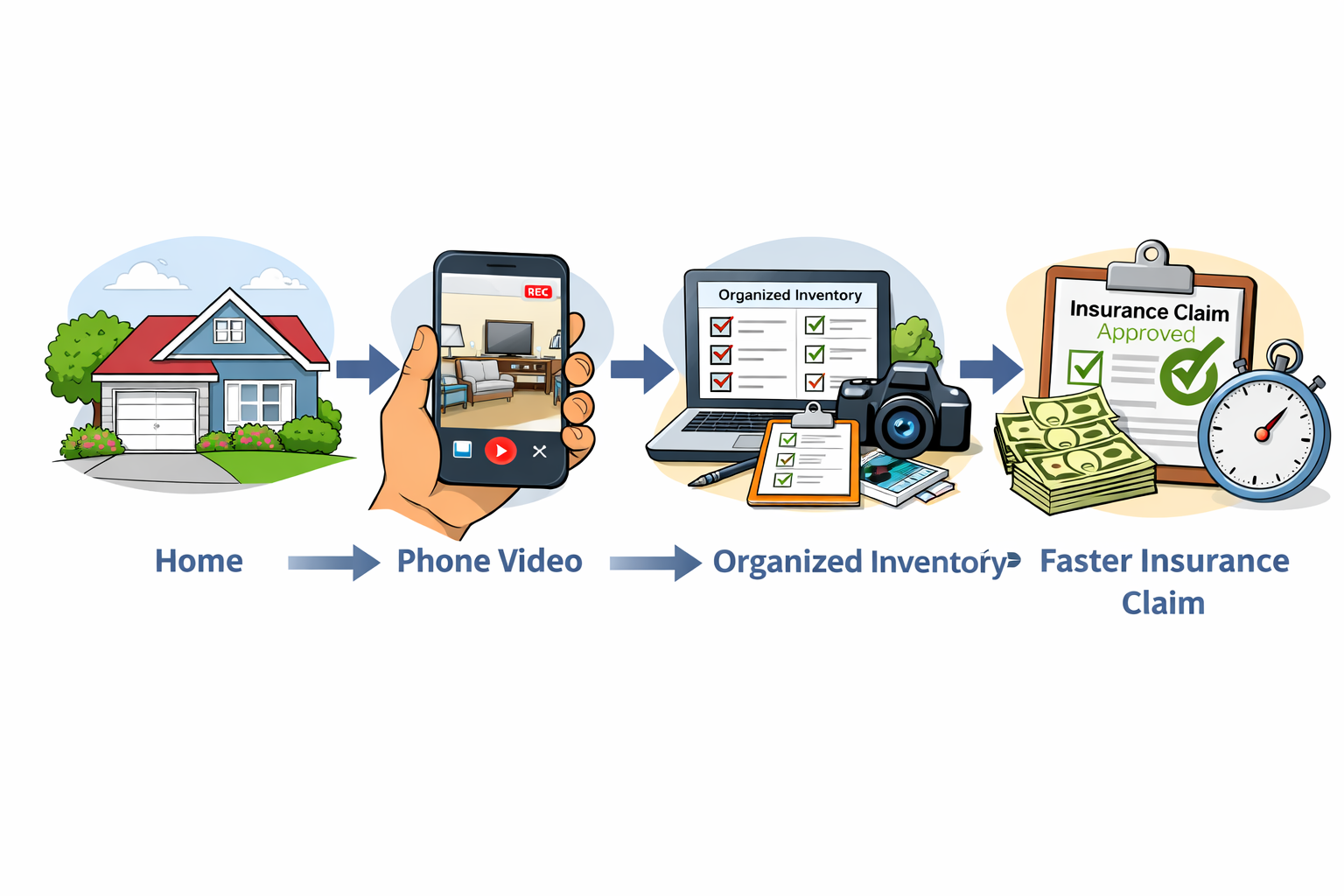
How the HomeGuard System Works
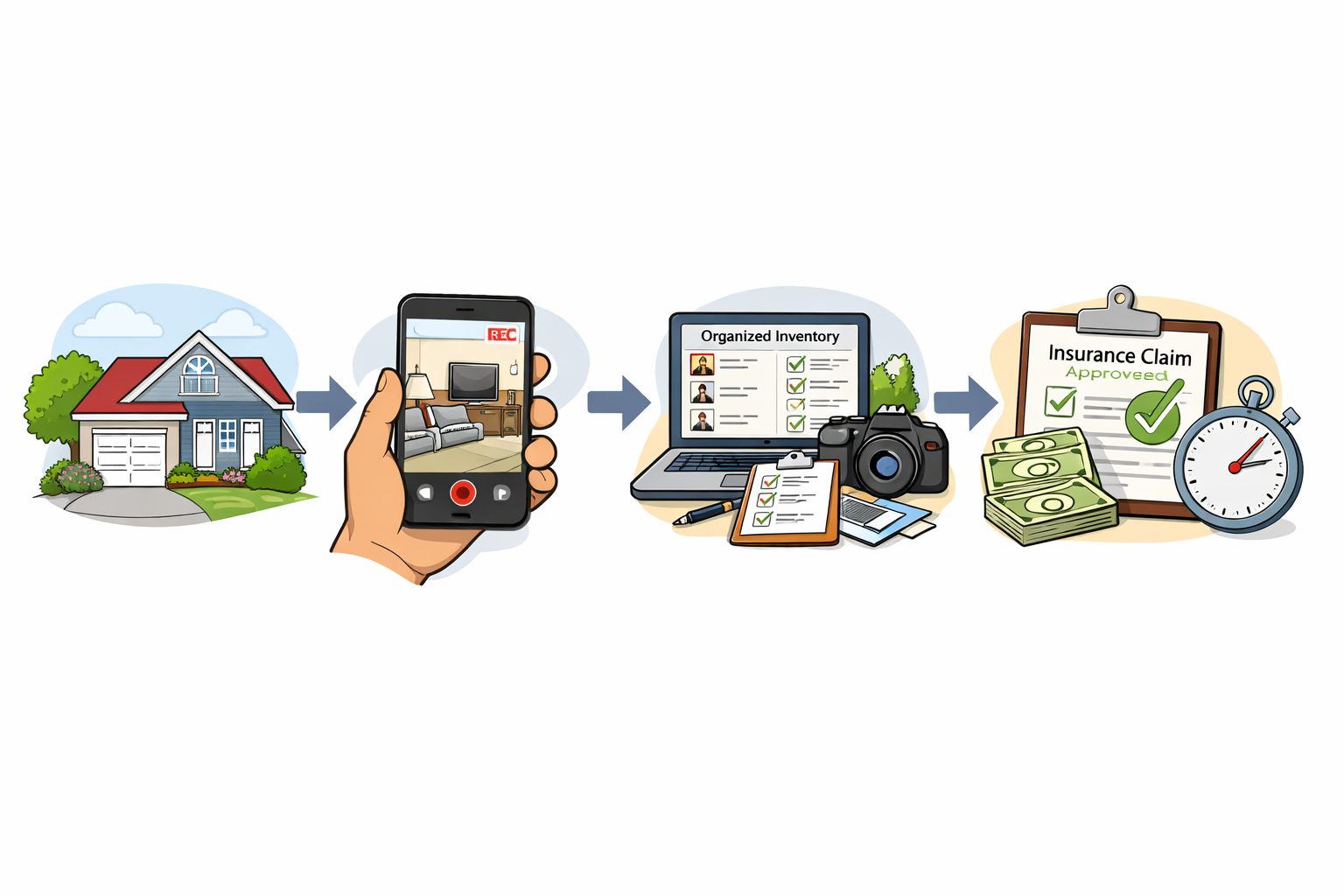
HomeGuard helps you document your home before disaster strikes using a simple process.
1️⃣ Record your home using your phone
2️⃣ Store photos and videos securely
3️⃣ Access organized documentation if a disaster happens
Why Insurance Claims Become So Difficult
After a major loss, insurance companies typically require homeowners to create a detailed inventory of everything that was lost or damaged.
That list often includes:
- •Room-by-room inventory
- • Item descriptions
- • Estimated purchase price
- • Age of item
- • Brand or model when known
- • Condition before the loss
Insurance adjusters or inventory specialists may help guide the process, but the information still must come from the homeowner.
And when you’re doing it after losing everything, it becomes overwhelming.
Many people realize too late that:
- • They don’t remember everything they owned
- • They don’t have photos or receipts
- • Important items are forgotten
If something isn’t included in the claim inventory, it may require a claim amendment later — and without documentation, it can be harder to verify.
That’s why documenting your home before disaster strikes can make the claims process dramatically easier.
A Typical Claim Inventory Can Include Hundreds of Items
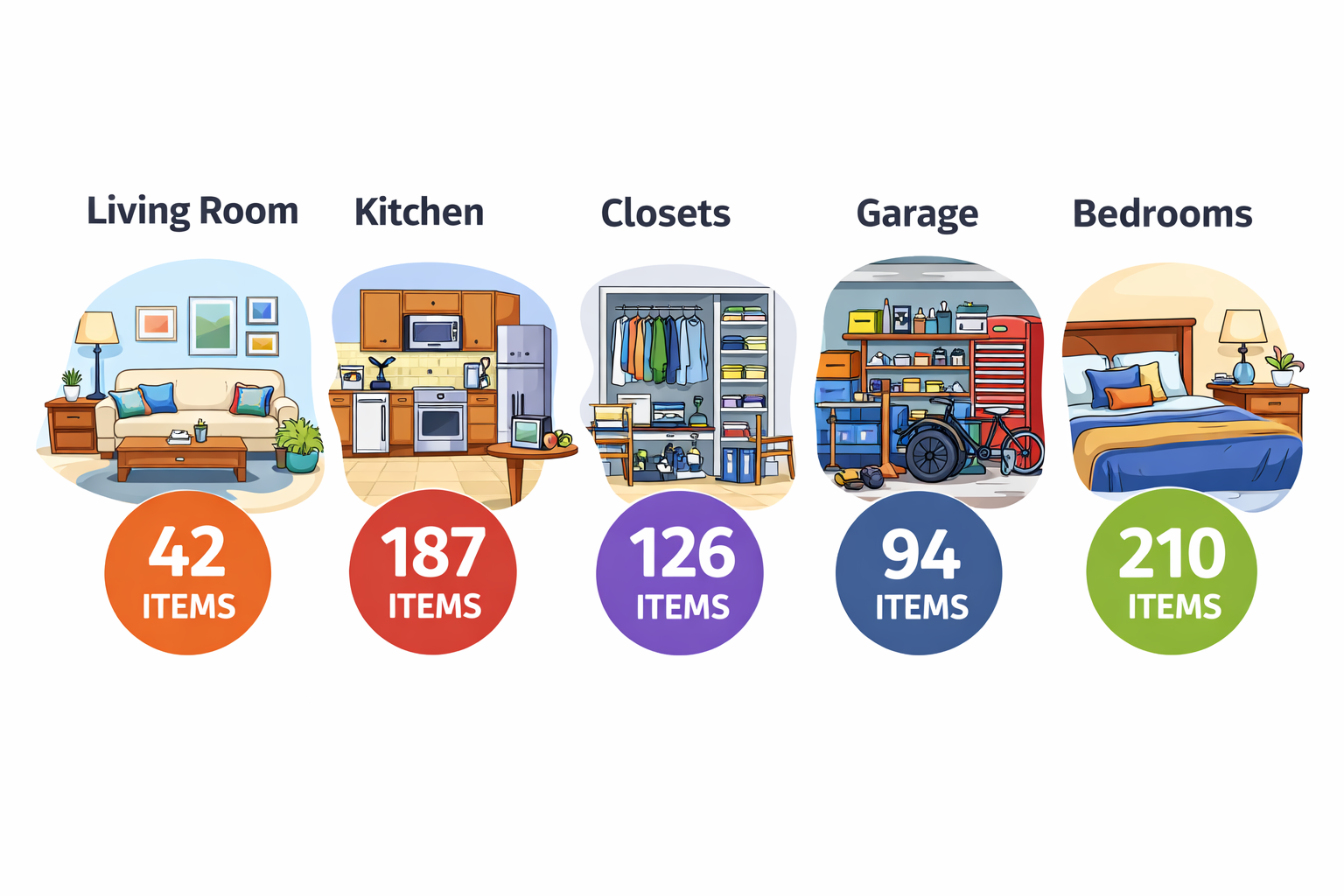
After a major loss, homeowners are often asked to help create a detailed inventory of their personal property.
When every room, closet, cabinet, and storage area is documented, that list can easily include hundreds of items — and sometimes more than a thousand.
Everything from furniture and electronics to kitchen utensils, clothing, tools, and personal belongings may need to be listed and described.
That’s why trying to recreate the inventory from memory after a disaster can be overwhelming.
The HomeGuard System™
HomeGuard System™ is a simple method for documenting your home before disaster strikes.
It combines:
- Video documentation
- Photo records
- Organized digital storage
- Structured inventory tools
So if the unexpected happens, you already have the documentation you need.
The system includes three simple tools.

SNAPGUARD™
Fast 1-Day Video Home Inventory
Use your phone to record your entire home in just a few hours.
Capture:
- Rooms
- Closets
- Cabinets
- Electronics
- Furniture
- Appliances
- Tools
- Valuable items
No spreadsheets required.
Just walk, record, and narrate.

SECUREGUARD™
Organized Digital Inventory
For homeowners who want a more detailed record.
SecureGuard helps you create an organized inventory that includes:
- Room location
- Item description
- Estimated value
- Brand or model
- Photos or receipts
Perfect for - high-value homes
- collectibles
- electronics
- Jewelry
- Tools and equipment

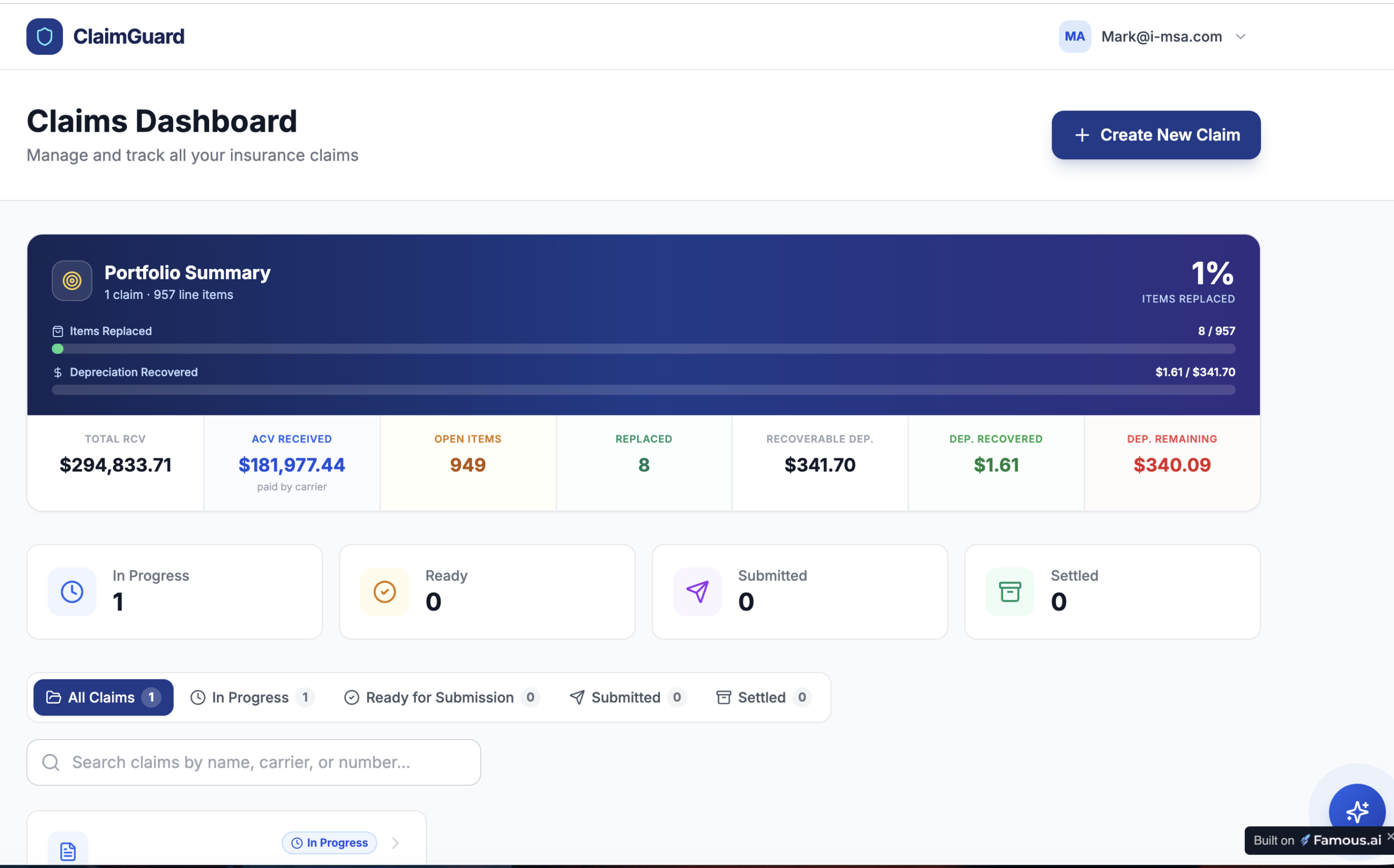
CLAIMGUARD™
Insurance Claim Documentation Tool
If disaster does strike, ClaimGuard helps you organize:
- Replacement receipts
- Insurance line-item numbers
- Depreciation recoverable items
- Additional living expense receipts
Everything is organized so you can submit information clearly to your insurance company.
Why I Created HomeGuard
HomeGuard System™ was created after I experienced something most homeowners never expect to face — a devastating house fire.
In the aftermath, the focus naturally turns to rebuilding your life and caring for your family. But very quickly, another difficult task begins.
The insurance company needs to document everything that was lost.
- Room by room.
- Item by item.
I was asked to help recreate a detailed inventory of everything that had been in the home.
- Furniture.
- Electronics.
- Kitchen items.
- Clothing.
- Tools.
- Personal belongings.
Trying to remember hundreds — sometimes thousands — of items after losing your home is exhausting and emotional.
Many details that seem obvious when you’re living in your home suddenly become difficult to recall:
- Where did you buy it?
- How old was it?
- What brand was it?
- What did you pay for it?
That experience made something very clear to me. Most homeowners never think about creating a home inventory until it’s too late.
HomeGuard was created to help families document their homes before disaster strikes, so they never have to rebuild their inventory from memory.
With just a phone and a few hours of time, homeowners can create a record of what they own and store it safely.
If the unexpected ever happens, they already have the documentation they need.
You may never need it.
But if you ever do, you’ll be grateful you took the time to prepare.
Peace of Mind in One Day
Most homeowners never think about creating a home inventory until after something terrible happens.
But the HomeGuard System™ makes it simple.
In just one day you can:
- Document everything in your home
- Store the records securely
- Be prepared if the unexpected happens
And if disaster ever strikes, you won’t have to rebuild your life from memory.
Why This System Exists
The HomeGuard System™ was created by a homeowner who experienced a devastating house fire and went through the insurance claims process firsthand.
One of the most difficult parts of recovery was recreating a detailed inventory of everything that had been lost.
Trying to remember every item in every room after a disaster is exhausting, emotional, and often incomplete.
HomeGuard was created so other families would never have to face that situation unprepared.
Learn the Full HomeGuard Method
The complete HomeGuard system is explained step-by-step in the book:
Before Disaster Strikes – Take Inventory
The book walks you through:
- How insurance inventories work
- How to document your home in one day
- How to organize your records
- What to do if a disaster actually happens
How the HomeGuard System Works
What Insurance Companies May Ask You to Document
What Insurance Companies May Ask You to Document
After a fire, storm, theft, or other major loss, you may be asked to help create a room-by-room, item-by-item inventory of what was lost.
]That can include details such as:
- Item description
- Where the item was located
- Where did you buy it
- Approximate purchase price
- Approximate purchase date
- Condition before the loss
- Brand or model
- Whether it was an antique, collectible, or specialty item
That information may be used to help determine the item’s actual cash value, including depreciation based on age, condition, and other factors.
When documentation is limited, homeowners are often left trying to recreate these details from memory after the disaster, which can make the claims process much more difficult.
That’s why having photos, videos, and organized records before disaster strikes can make a huge difference
Common Insurance Terms You May Hear
Here are a few of the most common:
- Replacement Cost
The amount it would cost today to replace an item with a similar new item. - Depreciation
A reduction in value based on the item’s age, wear, and condition. - Actual Cash Value (ACV)
The item's value after depreciation is applied. - Recoverable Depreciation
In many policies, the insurance company may initially pay the depreciated value.
Once the item is replaced and receipts are submitted, the remaining depreciation may be paid. - Additional Living Expenses (ALE)
If your home becomes unlivable after a covered loss, insurance may cover certain temporary living expenses such as housing, meals, and related costs.
Articles, Tools, and Templates

Household Items List for Insurance Claims: The 2026 Kansas City Recovery Guide
Your memory is your most expensive liability. After a disaster strikes Kansas

The 2026 Digital Home Inventory Spreadsheet: Protect Your Assets and Recover Your Losses
Most homeowners assume a list of their belongings is enough to satisfy

The Best House Inventory App for 2026: Why Narrative Documentation Wins Claims
Your insurance company isn’t looking for a list; they’re looking for proof.

Best Home Inventory App for 2026: Proven Tools for Insurance Recovery
Your memory is your biggest financial liability when disaster strikes. Industry research

Home Inventory Protection: The Pragmatic Guide to Asset Recovery in 2026
If a total loss occurred tomorrow, could you recall the brand, age,

SnapGuard KC: The High-Speed Video Home Inventory App Guide for 2026
Could you list every item in your kitchen junk drawer from memory